← back to the catalogue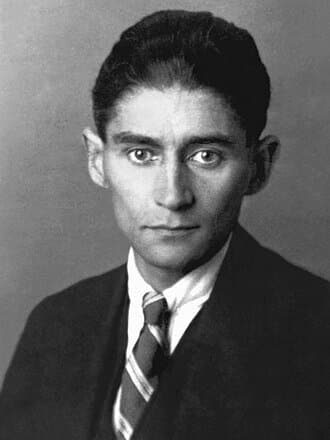
› reshelve this entry
See something off? The librarian reads these on Sundays. Wrong cover, wrong details, a duplicate of another entry — let us know and we’ll sort it.
Author file · 10506
Franz Kafka
On Franz Kafka
A brief life
Franz Kafka was born in 1883 in Prague, then part of the Austro-Hungarian Empire, into a middle-class, German-speaking Jewish family. He spent the majority of his life working as a clerk for an insurance company, a profession he found stifling but which provided the bureaucratic backdrop for his fiction. He died of tuberculosis in 1924, leaving instructions for his friend Max Brod to burn his unpublished manuscripts.
On the page
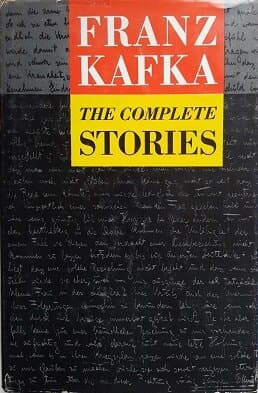
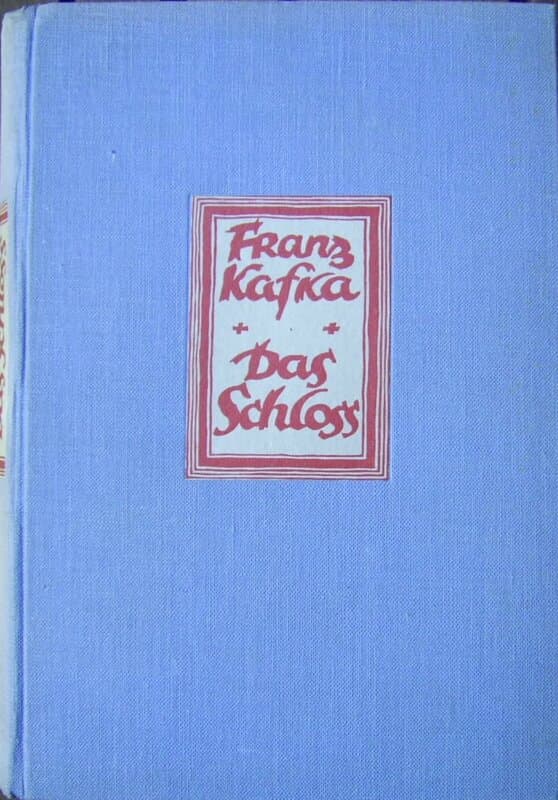
Kafka’s output is defined by a surreal, nightmarish logic that explores the alienation of the individual within impenetrable systems. His major works include the novella The Metamorphosis and the posthumously published novels The Trial and The Castle. His writing frequently features protagonists trapped in illogical legal proceedings, body transformations, and labyrinthine administrative structures.
In their time
During his lifetime, Kafka was a peripheral figure in the Prague literary scene, publishing only a few short stories that garnered modest attention. It was not until the post-World War II era that his work achieved international acclaim, as critics began to interpret his stories as profound reflections on the anxieties of the modern age.
The afterlife
Kafka’s influence is so pervasive that the term 'Kafkaesque' has entered the global lexicon to describe nightmarish, bureaucratic absurdity. He is now considered one of the most significant figures of 20th-century literature, with his themes of existential dread and systemic powerlessness shaping the trajectory of modern fiction, film, and philosophy.
3 volumes cataloguedWikipedia ↗
Works in the catalogue · 3 entered
On the shelves
Preoccupied with
Recurring motifs



In conversation with